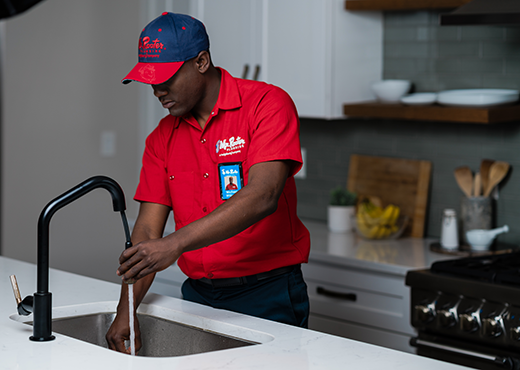
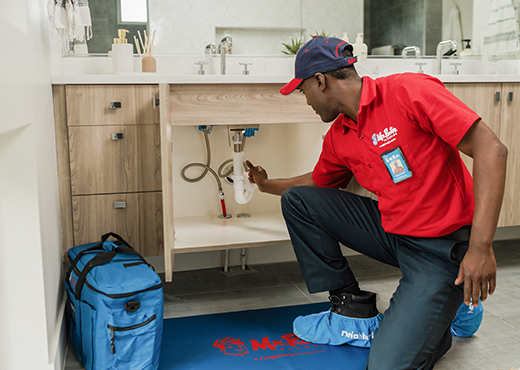
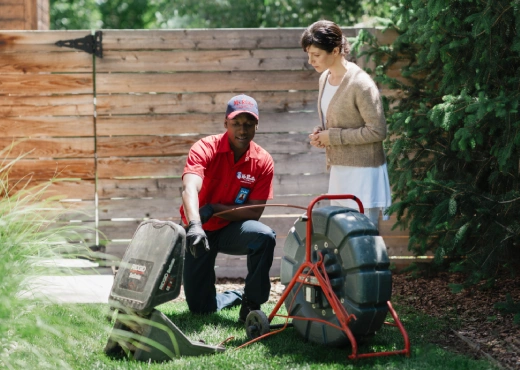
Your plumbing in Kitchener works against two things all year: hard groundwater and long freezing winters. Our Kitchener plumbing services cover the repairs and installations those two conditions create for your home or your business, and we handle residential and commercial plumbing with the same licensed crew. If you're not sure what's wrong yet, that's fine, because we'll figure it out with you.
Licensed Plumbers Who Know Their Trade
Every plumber on our Kitchener team is fully licensed and certified by Skilled Trades Ontario and holds a valid Certificate of Qualification. Your plumber has completed a four-to-five-year apprenticeship program, logged thousands of hours of hands-on training, and passed thorough exams covering water supply systems, drainage, venting, and code compliance. We run criminal background checks on every hire, so you know who's coming into your home. You get a licensed professional, not someone who learned plumbing from YouTube.
Plumbing Services We Handle Every Week
If you have a dripping faucet or a collapsed sewer line, our local team has the training and equipment to take care of it. Here's what we do for you:
- Emergency plumbing repairs (available 24/7, no overtime charges)
- Burst pipe repair and leak detection
- Drain cleaning and clogged drain services
- Sewer line repair, sewer cleaning, and camera inspection
- Water heater installation, water heater repair, and tankless water heater services
- Toilet repair and replacement
- Faucet repair, sink installation, and fixture installation
- Sump pump repair and replacement
- Water pressure troubleshooting and correction
- Water softener installation and filtration system installation
- Garbage disposal installation and repair
- Frozen pipe thawing and repair
- Bathroom plumbing and kitchen plumbing remodels
- Backwater valve installation
- Plumbing inspections and diagnostics
- Commercial plumbing services
What Your Kitchener Plumber Looks for First
When we arrive at your home, we're looking for patterns that tell us what's going on. Here's what the process looks like for some of the most common calls you might make to us in Kitchener.
- Low Water Pressure Throughout the House: If every fixture in your home has weak flow, we start by checking your main shut-off valve to make sure the valve is fully open. Then we look at your water meter and your pressure regulator, if you have one. In Kitchener homes with hard water, we check faucet aerators and showerheads first because mineral scale clogs those small screens fast. If the pressure drop is recent and affects only hot water, the problem points to sediment buildup in your water heater tank or a failing dip tube. If the problem affects both hot and cold water and your aerators are clean, we're looking at galvanized pipe corrosion or a pressure regulator needing adjustment or replacement.
- Water Heater Making Popping or Rumbling Sounds: You're hearing steam bubbles breaking through sediment at the bottom of your tank. In Kitchener, where the water is hard, calcium and magnesium settle at the tank bottom and create an insulating layer. Your burner has to work harder to heat the water, and when the burner fires, steam forms under the sediment layer and makes noise as the steam escapes. Left alone, the sediment lowers efficiency, shortens tank life, and leads to early failure. We'll drain and flush your tank to remove sediment, check the anode rod (which protects the tank from corrosion and gets eaten away faster in hard water), and talk through whether a softener or a maintenance schedule makes sense for your home.
- Recurring Drain Clogs in the Same Spot: If you're clearing the same drain every few months, the problem isn't what's going down the drain today. The problem is what's in your pipe. In older Kitchener homes, we often find cast iron or clay sewer laterals deteriorating, creating rough interior surfaces where waste and paper snag. Tree roots are another common culprit, especially in neighbourhoods with mature trees. Roots find their way into clay pipe joints or cracks and create a net catching everything. We use a sewer camera to see what's happening inside your line. The video tells us if you need a drain cleaning, a spot repair, or a full lateral replacement, and it keeps you from spending money on fixes that won't last.
- Toilet Runs Constantly or Refills on Its Own: A running toilet is one of the most wasteful "quiet leaks" in your home because the leak runs 24/7. The flapper at the bottom of your tank wears out or gets coated with mineral deposits (common in hard water areas), and the flapper stops sealing. Water leaks from the tank into the bowl, the float drops, and the fill valve kicks in to top off the tank. The cycle repeats constantly. We test by adding food colouring to your tank and waiting 15 minutes. If colour appears in the bowl without flushing, the flapper is leaking. A new flapper takes us a few minutes, but if the flush valve seat is pitted or corroded from mineral buildup, we'll replace the flush valve too so the leak doesn't come back.
- Sewer Smell in the Basement or Bathroom: If you smell sewer gas, something has broken the trap seal or venting system that normally keeps those gases out of your home. We check floor drains first, especially in basements, because if you don't use a drain, the water in the trap evaporates and gas comes up through the opening. Pouring water down the drain often solves the problem. If the smell persists, we're looking at a dry or damaged trap, a venting problem, or a cracked drain line. In some older homes, we find a missing or improperly installed trap, and we'll open the line and do the work right.
- No Hot Water at All: If your taps run cold and you have a gas tank, we start at the pilot and the thermocouple or flame sensor, because a dirty sensor shuts the burner off as a safety step. On an electric tank, we test the upper and lower elements and the thermostats with a multimeter, and in Kitchener's hard water, we often pull out an element caked in scale. We also check the venting on gas units, since a blocked vent trips the safety switch. Once we know which part failed, we'll tell you whether the repair makes sense for your tank's age or whether you'd be better off putting that money toward a new heater.
Plumbing Maintenance Tips for Kitchener Homeowners
A little preventive maintenance goes a long way in Kitchener, especially with hard water and cold winters working against your plumbing year-round. Here's what we recommend for you based on what we see in local homes.
- Flush Your Water Heater Every Year: Drain and flush your water heater tank once a year to remove sediment buildup. In Kitchener's hard water conditions, sediment builds up faster than in soft water areas, and the buildup lowers efficiency and shortens tank life. If you have a tank-style heater, check the anode rod every two to three years. The anode rod is a sacrificial metal rod that corrodes instead of your tank, and in hard water, the rod wears down faster. If your rod is less than half an inch thick or heavily corroded, replace it. A fresh anode rod can add years to your tank.
- Winterize Outdoor Faucets Before First Freeze: Disconnect and drain all your outdoor hoses, then shut off the interior valve supplying each outdoor faucet. Open the outdoor faucet to drain any remaining water, and leave the faucet open through winter. If your home has frost-free hose bibs, make sure nothing stays connected to them during freezing weather, because even a hose or splitter left attached traps water and can make the faucet freeze and crack inside the wall.
- Test Your Sump Pump Monthly During Wet Seasons: Test your sump pump by pouring a bucket of water into your sump basin and making sure the pump turns on, runs smoothly, and discharges water outside. The City of Kitchener recommends cycling your sump pump at least once a month and cleaning the basin annually. If your pump struggles, makes an unusual noise, or doesn't turn on, replace the pump promptly. A failed sump pump during spring melt can leave you with serious basement water damage.
- Clean Faucet Aerators and Showerheads Every Few Months: Unscrew your aerators and showerheads and soak them in white vinegar overnight to dissolve mineral scale. You'll keep water flowing freely and prevent pressure loss. If you find heavy scale, your whole system is dealing with the same issue, and you should talk to a plumber about water treatment options.
- Know Where Your Main Water Shut-Off Is Right Now: In an emergency, you need to shut off your home's water supply in seconds, not search for the valve while water is spraying. Find your main shut-off valve (near where the water line enters your home, often in the basement or crawl space), make sure everyone in your household knows where the valve is, and test the valve once a year to make sure it still turns. If your valve is stuck or leaking, have us replace it before you have an emergency. Many older Kitchener basements still have a round-handled gate valve at the meter, and hard water seizes those over the years. We can swap yours for a quarter-turn ball valve that closes in one motion.